The most effective way to prevent the suffering of cats and dogs in our communities is simple, safe, and proven: spay and neuter.
Sterilization prevents unplanned litters, reduces shelter intake, improves long-term health outcomes, and lowers the financial and emotional burden on communities.
Our sister organizations, Social Compassion, a 501(c)(3), and Social Compassion in Legislation (SCIL), a 501(c)(4), focus on prevention by advancing public policy that expands access to affordable, high-quality spay and neuter services across California.
Our legislative strategy focuses on underserved communities by reducing financial barriers that often lead to accidental litters, preventable shelter surrenders, and overcrowded facilities.
We have advanced practical, prevention-focused legislation designed to expand access and reduce barriers:
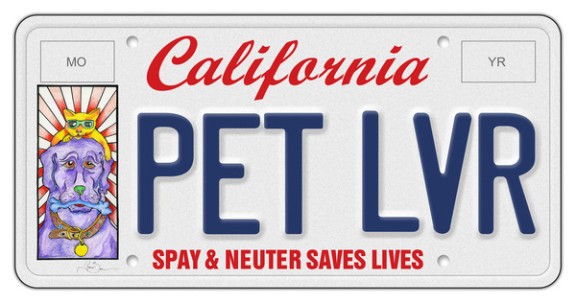
Featuring artwork by renowned actor and artist, Pierce Brosnan.
Animals can reproduce quickly and exponentially. While exact totals vary depending on breeding conditions and survival rates, even one unspayed female dog or cat, and her offspring, can contribute to thousands of births over several years if none are sterilized.
When sterilization access declines, shelter intake can rise past capacity, and innocent, adoptable animals may end up being euthanized.
Prevention is more effective, and more humane, than overpopulation crisis management.
For Females, Spaying:
For Males, Neutering:
Is sterilization safe?
Yes. Spay and neuter surgeries are routine procedures performed under anesthesia with modern pain management protocols. Most animals return to normal activity within a few days.
Will my pet’s personality change?
Sterilization reduces hormone-driven behaviors such as roaming, marking, and certain forms of aggression. Core temperament, intelligence, playfulness, and protective instincts remain intact.
Should a female have one litter first?
No. There is no medical benefit to allowing a litter before spaying. In fact, spaying before the first heat cycle significantly reduces mammary cancer risk and eliminates the risk of pyometra.
Why neuter male animals?
One unneutered male can impregnate multiple females, contributing substantially to overpopulation. Neutering prevents testicular cancer and reduces roaming and fighting behaviors.
What if I can find homes for all the puppies or kittens?
Even responsible placement reduces the number of homes available for animals already in shelters. Unless every placed animal is sterilized, reproduction can continue in future generations. Preventing births is the most effective way to reduce long-term shelter crowding.
Communities spend millions of taxpayer dollars annually addressing the downstream effects of unplanned litters; animal control services, shelter housing, medical treatment, and euthanasia.
The one-time cost of spay or neuter surgery is significantly lower than the cumulative public cost of intake, care, and long-term sheltering.
Cities and counties that implement comprehensive sterilization policies, including breeder permit systems and mandatory sterilization with responsible exemptions, have reported reductions in shelter intake and euthanasia over time.
Prevention reduces both suffering and public expense. National intake analyses from Shelter Animals Count covering 2019–2023 show that in 2025, only about 24% of cats and dogs entering shelters were already spayed or neutered at intake (25% of dogs and 23% of cats).
That represents a decline from pre-pandemic levels, particularly among dogs, highlighting measurable gaps in access to veterinary care.
Ongoing advocacy, education and funding are needed in order to ensure the spay and neuter rate continues to increase year after year.
Access to Low-Cost Services
If cost is a barrier, assistance is available:
California residents can also support expanded access by participating in voluntary tax check-off programs and advocating for mobile clinic expansion.
Every litter prevented represents fewer animals facing abandonment, neglect, homelessness, or euthanasia.
We believe the most humane solution is proactive policy — expanding access, strengthening veterinary capacity, funding prevention, and ensuring that every family, regardless of income or geography, can responsibly care for their companion animals.