
SAVING AND PROTECTING ANIMALS. ONE LAW AT A TIME.
SB 1249
Truly historic bill making California the first state to ban the sale of cosmetics and personal hygiene products newly tested on animals, preventing needless animal...
SB 273
Makes California the first state to ban recreational and commercial fur trapping, thus ending an anti-quated, cruel and taxpayer-subsi-dized practice that was destroying wildlife for...
SB 485
Bans the sale of “puppy mill” bred dogs, cats, and rabbits in pet stores. This landmark law has been replicated in four states and over...

Make a donation to Social Compassion

DONATIONS ARE TAX DEDUCTIBLE

Prefer to make a donation offline?

Please send donation checks to:

Social Compassion in Legislation
PO Box 1125
Laguna Beach, CA 92652-1125
EIN: #20-8923001

Protect animals before its too late

Most people think change begins when a bill is introduced. It doesn’t.

It begins with research. With education. With coalition building. With public awareness.

Without that groundwork, animal protection laws never pass — and animals remain unprotected.

Your donation solves that early-stage gap.

Social Compassion, our 501(c)(3) nonprofit, builds the foundation that makes lasting animal protection possible.

Here's what you solve

You prevent suffering before it happens.
By funding humane education and spay/neuter programs, you reduce shelter overcrowding and prevent unnecessary euthanasia.

You prepare communities before disasters strike.
Companion animals are often overlooked in emergency planning. Your support strengthens public awareness and preparedness efforts so animals are not left behind during fires and evacuations.

You make stronger laws possible.
Before legislation can advance, it requires research, stakeholder engagement, and public support. You fund the development of credible, research-based solutions that can withstand scrutiny and become real policy.

This is the long road before Sacramento.


And without it, no meaningful law reaches the finish line.

Social Compassion is the engine behind that preparation.

Your gift is tax-deductible.
Your impact is tangible.
Your compassion becomes action.

Social Compassion 501(c)(3)

GIVING ANIMALS A VOICE

Social Compassion is our 501(c)(3) non-profit organization was founded in 2007 and focuses on instilling greater compassion throughout society by promoting the protection of all animals – Earth’s most vulnerable inhabitants – and the environment in which we all live. Through humane education programs, public service announcements, rapid response media campaigns, and support for spay and neuter programs throughout California and beyond, Social Compassion helps all beings gain the respect, rights, and health they deserve and need to thrive.

Social Compassion also acts as the incubator for research and development of various public policy objectives designed to protect animals and the environment. Conducting research to formulate strong public policy and engaging allies, stakeholders and impacted communities all take time and resources.

Social Compassion allows us to do this important work. A long road needs to be paved before we reach Sacramento, Washington, D.C. or key government agencies with legislation ideas. Once there, our sister organization, Social Compassion in Legislation advocates on behalf of those ideas and turns them into actual legislation … and eventually new laws.

All donations to Social Compassion, our 501(c)(3), are tax deductible. Social Compassion is the vehicle from which we drive all non-lobbying activities. 501(c)(3) include: setting up and running humane education programs, spay and neutering efforts, stakeholder alliance building, and media and public outreach to raise awareness, or to stop abuses to animals.
Select Social Compassion initiatives

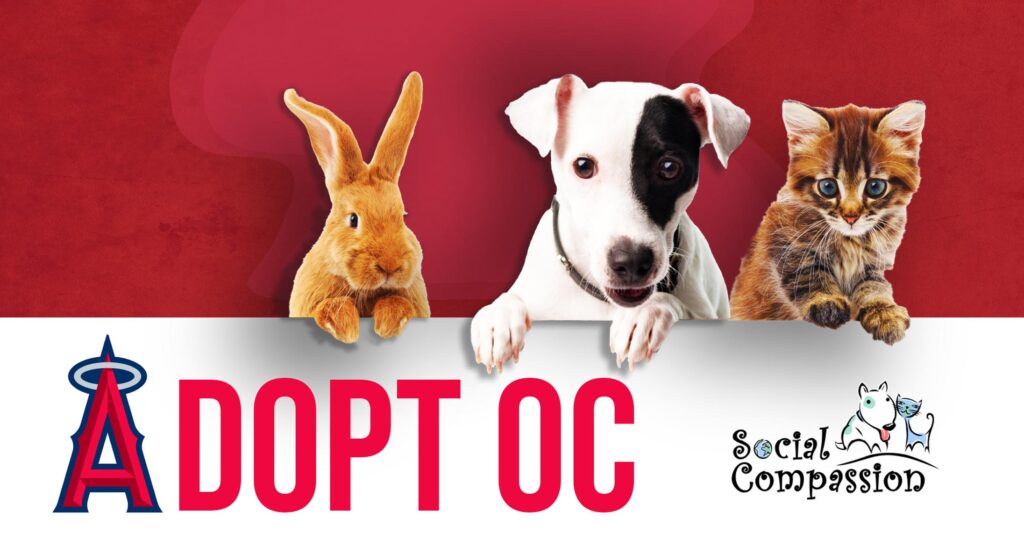
ADOPT OC with The Los Angeles Angels

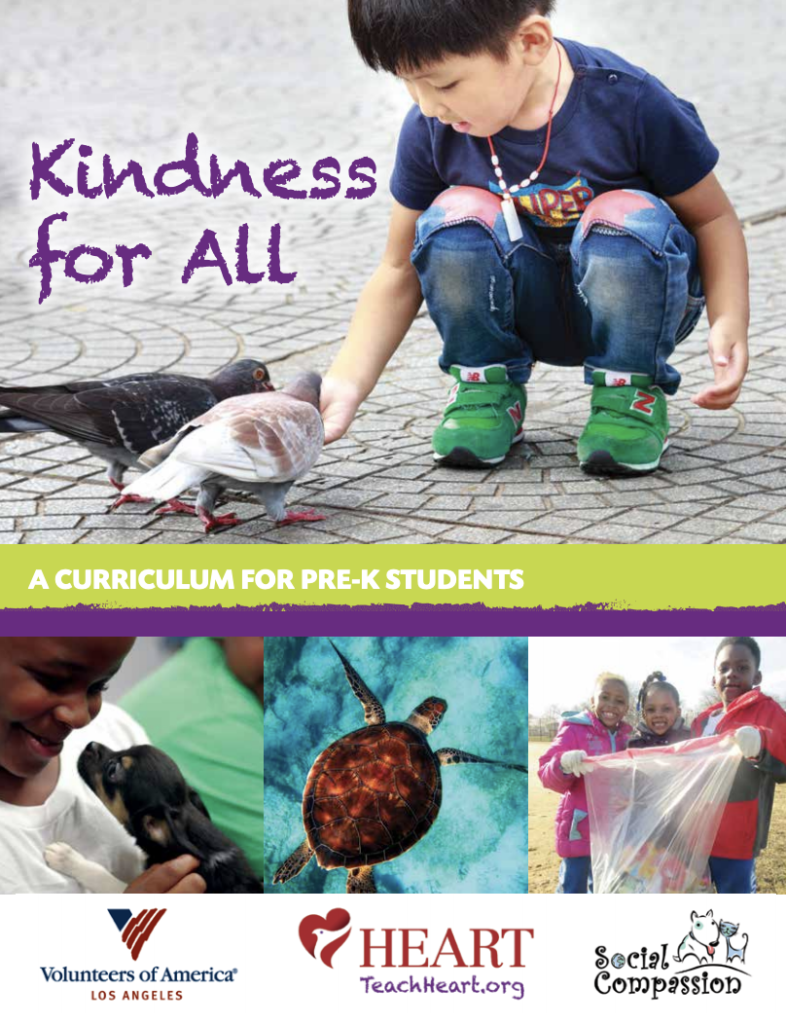
Humane Education Head Start with heart & volunteers of America LOs Angeles

Social Compassion

Kindness for All – Cirriculum for Pre-K Students

While we often expect children to treat others with kindness, knowing how to put their kindness into action is not necessarily something that comes easy to them. It can be challenging to take the needs and feelings of others into consideration when it is in conflict with our own wants and desires.

We as educators must help children learn about and practice living kindly. Consider professional athletes: no matter how talented they are, they still need to think about how they can improve their game and practice their craft so that they can perform at their best.

Likewise, we become kinder the more we think deeply about kindness & put it into action.